The Ultimate Checklist for Audio Visual Rental Success at Events
Ri
Understanding Your Event Needs
Before diving into the world of audio-visual rentals, it's crucial to understand the specific needs of your event. Consider the type of event you're hosting—be it a corporate conference, a wedding, or a concert, each has unique requirements. Understanding these needs will help tailor your AV setup to create a memorable experience.
Communicate with your team and stakeholders to outline the event's goals and expectations. This will guide you in selecting the right equipment and services. Ensuring alignment early on saves time and resources in the long run.

Selecting the Right Equipment
Audio Equipment
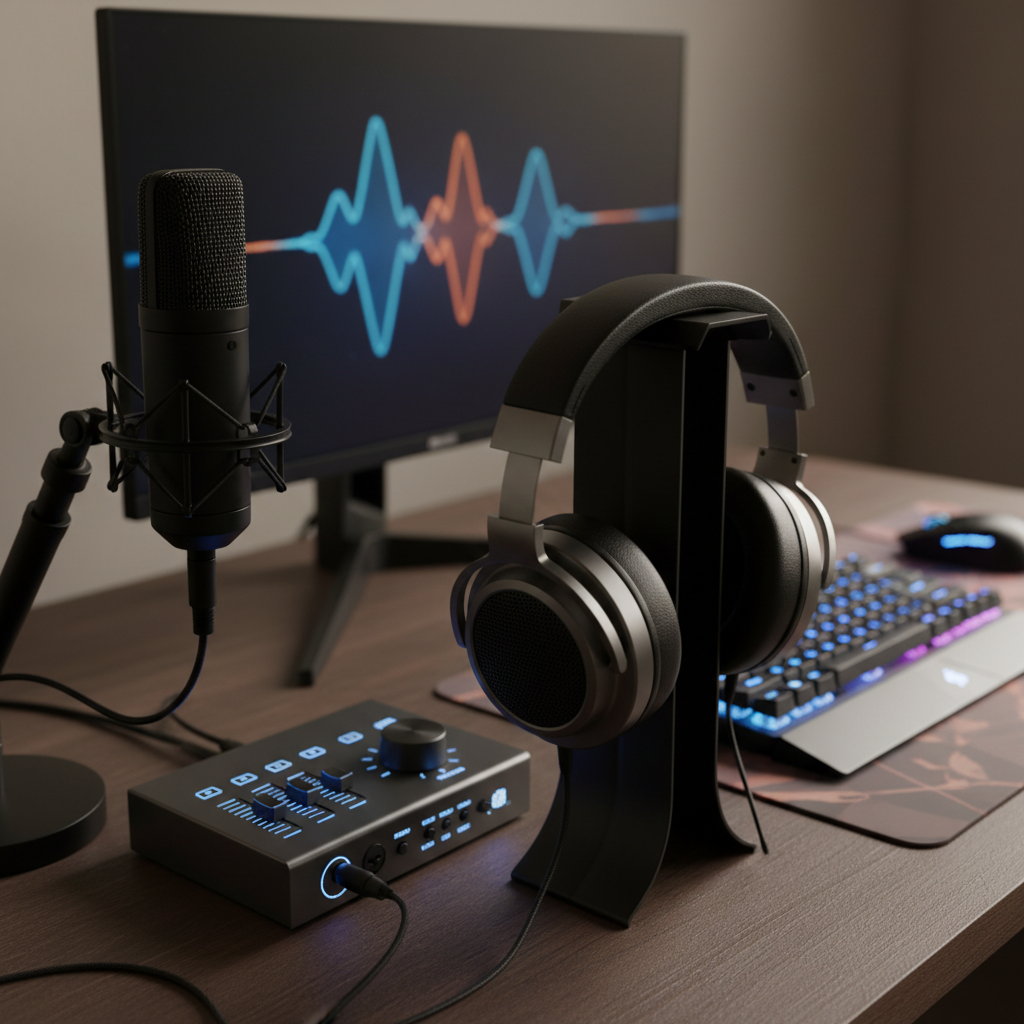
The right audio equipment can make or break an event. Consider the size of the venue and the number of attendees. For larger spaces, you might need a more robust sound system with additional speakers and microphones. Ensure you have a mix of handheld, lapel, or headset microphones to suit different presenters' needs.
Visual Equipment
Visuals are equally important. Determine whether you need projectors, LED screens, or video walls. The decision will depend on the venue size, lighting conditions, and audience size. Make sure the equipment supports high-resolution visuals to keep the audience engaged.
Partnering with a Reliable Provider
Choosing a reputable AV rental provider is crucial. Look for companies with a proven track record and positive client testimonials. They should offer a wide range of equipment, as well as setup and technical support services. A reliable provider ensures smooth operation and quick troubleshooting if issues arise.
Ask potential providers about their experience with similar events and their ability to handle unexpected challenges. This information will give you confidence in their capability to deliver a successful event.
Logistics and Setup
Plan the logistics and setup well in advance. Coordinate with your AV provider to schedule delivery and setup times that align with the venue's availability. Make sure there is enough time for testing all equipment before the event begins.
Consider the layout of the venue to ensure optimal placement of audio and visual equipment. This might involve multiple site visits and discussions with the venue manager to understand any constraints or special requirements.
Testing and Troubleshooting
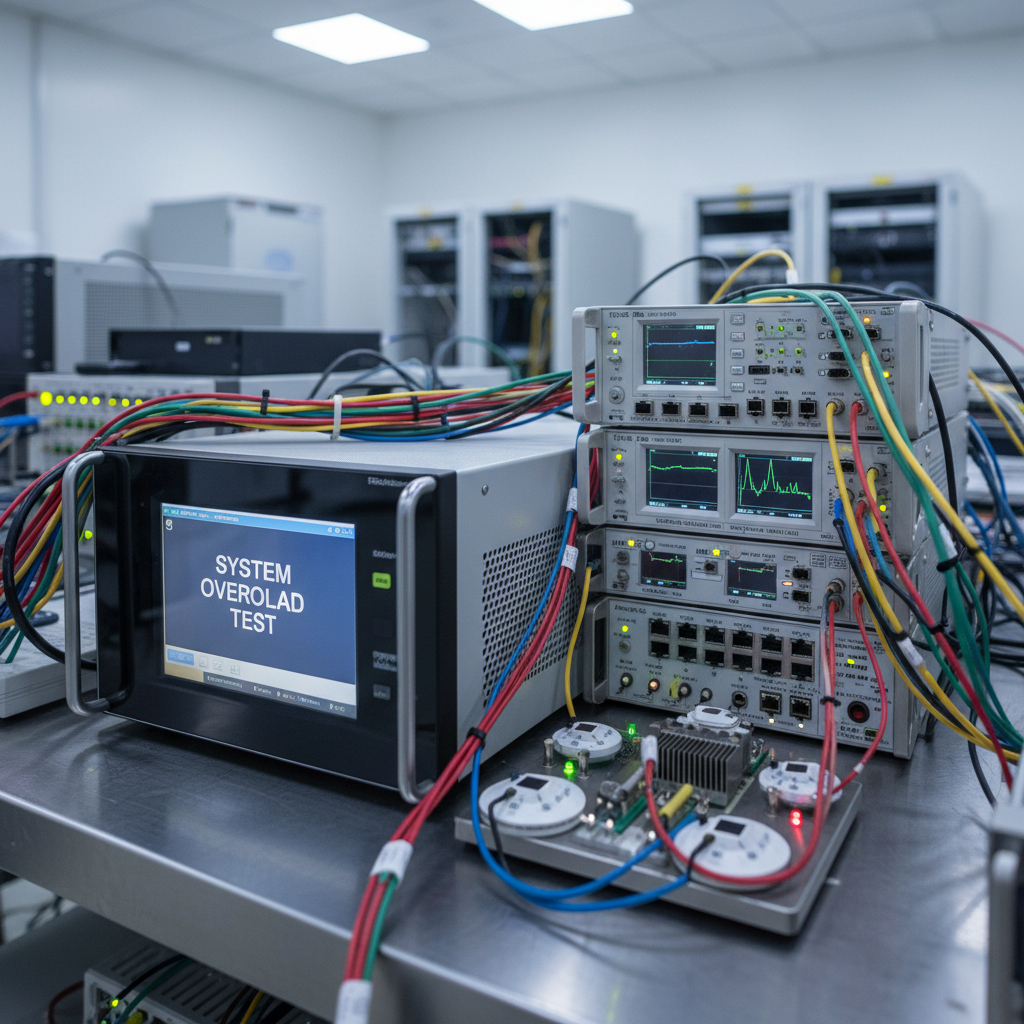
Testing is a critical step that should never be overlooked. Run through all equipment at least a day before the event to identify potential issues. Check sound levels, screen visibility, and overall functionality. This proactive approach minimizes the risk of technical glitches during the event.
Have a dedicated team or individual responsible for troubleshooting during the event. They should be experienced with the equipment being used and ready to handle any issues promptly.
Post-Event Evaluation
After the event, conduct a thorough evaluation to assess the success of the AV setup. Gather feedback from attendees and team members to identify areas for improvement. This feedback is invaluable for future events and helps build a stronger strategy for AV rentals.
Discuss with your AV provider to evaluate what worked well and what could be improved. This partnership approach ensures continuous improvement and success in future collaborations.