Professional Event Planning in Australia: A Step-by-Step Guide
Ri
Planning a professional event in Australia can be an exciting yet daunting task. Whether you're organizing a corporate conference, a product launch, or a networking event, having a structured approach is crucial to ensure everything goes smoothly. This guide will walk you through the essential steps of professional event planning.
Understanding the Event's Purpose
Before diving into details, clearly defining the event's purpose is essential. Ask yourself: What is the primary goal? Is it to educate, celebrate, or network? Understanding the purpose will guide all subsequent decisions and help you create a cohesive experience.
It's also important to identify the target audience. Knowing who you are planning for will influence everything from venue selection to marketing strategies.

Setting a Budget
Establishing a realistic budget is one of the most crucial aspects of event planning. Consider all potential expenses, including venue hire, catering, transportation, and entertainment. Allocating funds wisely can prevent unexpected costs from derailing your plans.
Key Budgeting Tips
- Research costs thoroughly to avoid surprises.
- Plan for contingencies by setting aside a small portion of your budget for unexpected expenses.
- Prioritize spending based on the event's goals and audience expectations.
Choosing the Right Venue
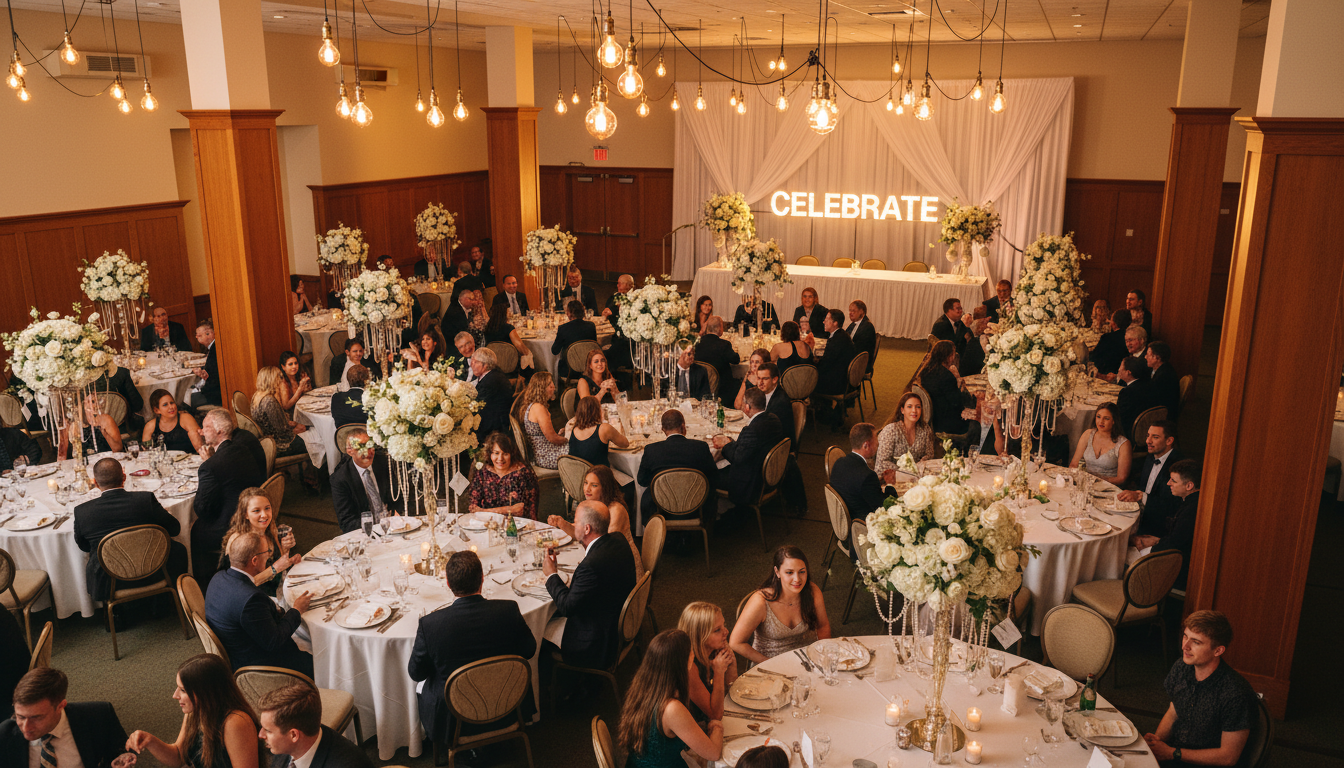
Australia offers a diverse range of venues, from coastal resorts to urban conference centers. Consider the event's size, location, and accessibility when selecting a venue. Visit potential sites to ensure they align with your vision and logistical requirements.
Creating a Detailed Timeline
A well-structured timeline is essential to keep the planning process on track. Start by listing all major tasks and set deadlines for each. Regularly update the timeline to reflect progress and adjust as needed to accommodate any changes or challenges.
Timeline Components
- Pre-event planning: Research and bookings.
- Marketing and promotion: Engaging your audience.
- Event day: Execution and management.
- Post-event: Follow-up and evaluation.
Coordinating Event Logistics
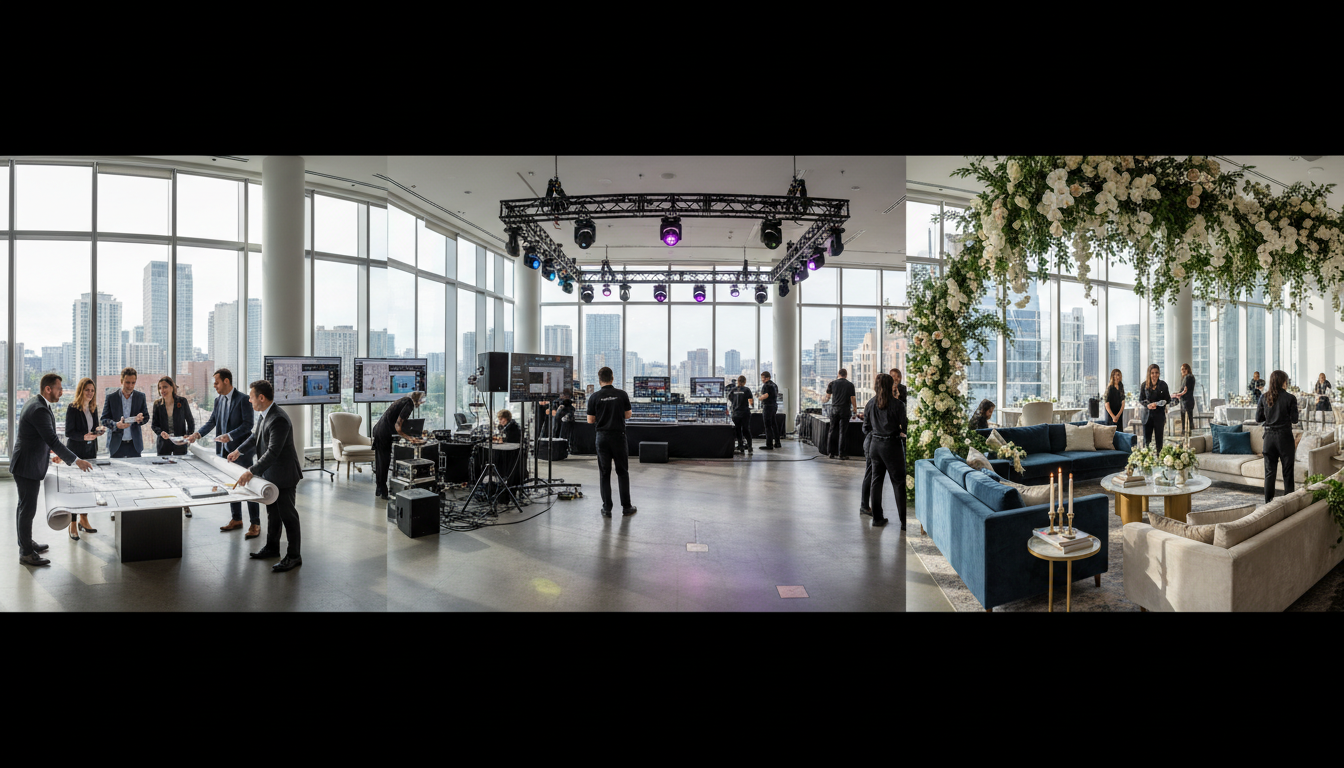
Logistics play a crucial role in the success of any event. This includes managing transportation, accommodation, and technical requirements such as audio-visual equipment. Work closely with vendors and service providers to ensure all logistical elements are covered.
By following these steps and staying organized, you can plan a successful professional event in Australia that meets your objectives and leaves a lasting impression on attendees. Remember that flexibility and adaptability are key, as unexpected challenges can arise. With thorough preparation, you can handle any surprises and deliver an exceptional experience.