How to Plan a Corporate Event in Australia: A Step-by-Step Guide
Ri
Understanding Your Event Objectives
When planning a corporate event in Australia, the first step is to clearly define your objectives. Are you aiming to launch a product, boost team morale, or impress potential clients? Understanding your goals will guide every subsequent decision, from venue selection to programming. A well-defined objective ensures that all elements of the event are aligned, providing a cohesive experience for your attendees.
Once your objectives are set, consider the key performance indicators (KPIs) that will measure the event's success. This could include attendance numbers, social media engagement, or post-event surveys. Setting these benchmarks early helps measure the event's impact effectively.
Budgeting and Financial Planning
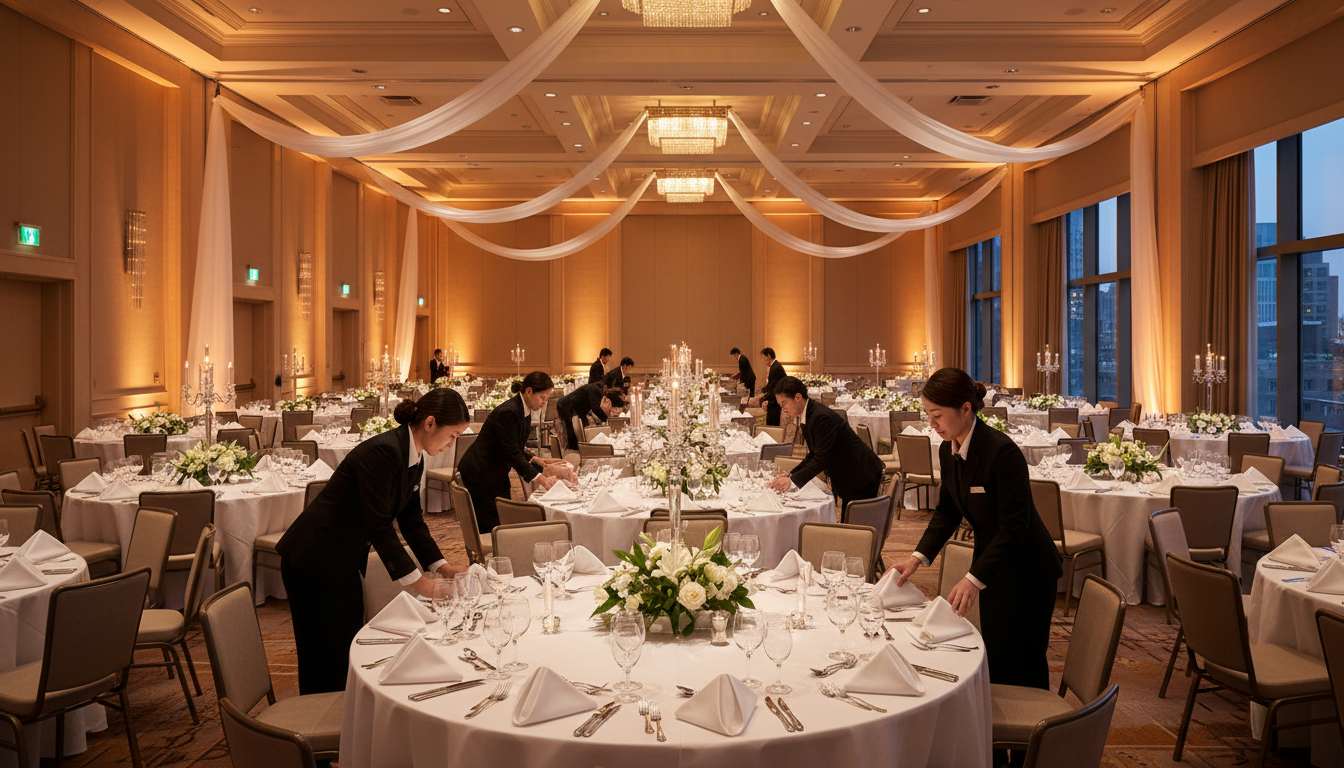
Creating a detailed budget is crucial for any corporate event. Consider all potential expenses, including venue hire, catering, entertainment, and marketing. Allocate funds to each category and leave a buffer for unexpected costs. This will help you manage expenditures effectively and avoid financial surprises.
Don't forget to explore sponsorship opportunities. Partnering with relevant businesses can offset costs and add value to your event. Make sure to highlight the benefits your event offers potential sponsors to attract their interest.
Selecting the Perfect Venue
Australia offers a diverse range of venues, from beachside resorts to urban conference centers. When choosing a venue, consider the event size, location, and accessibility for your guests. Ensure the space aligns with your event's theme and objectives, creating the right atmosphere for your attendees.
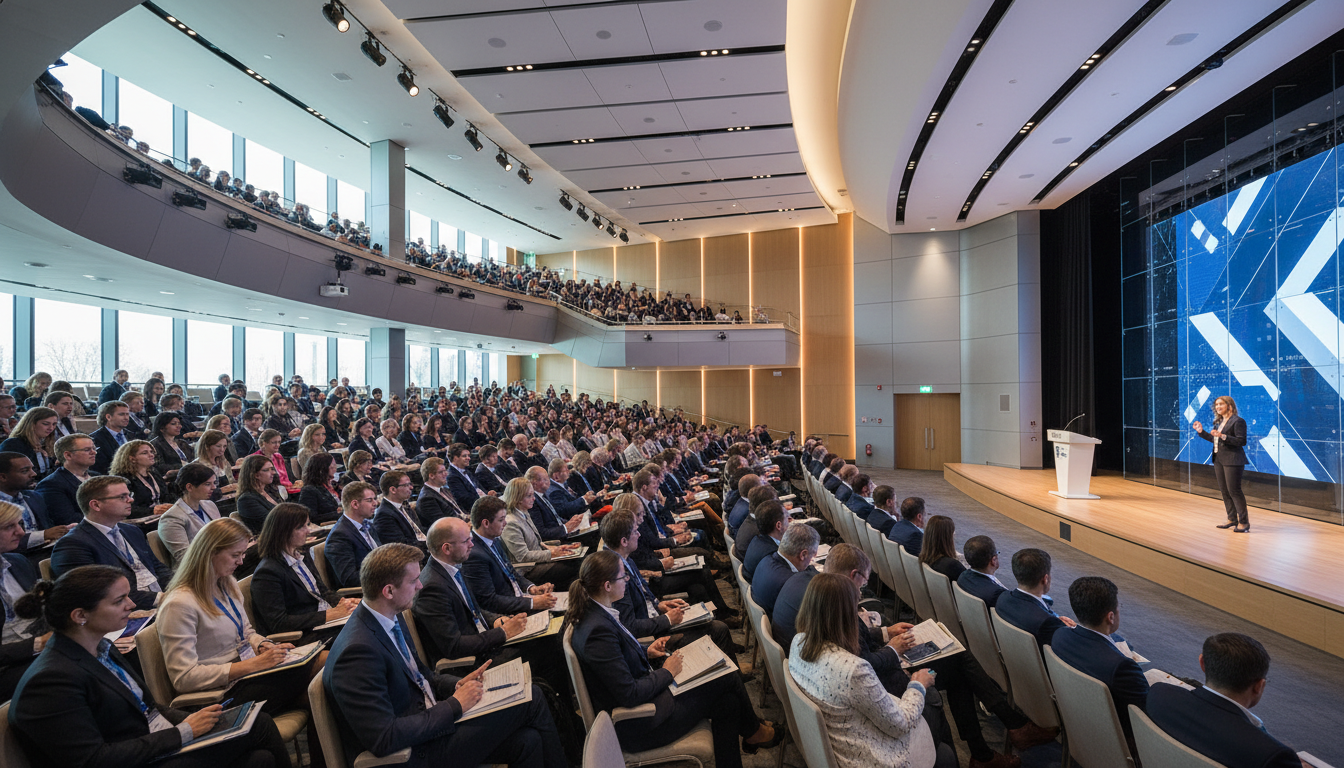
Visit potential venues in person to assess their amenities and services. Check for essential facilities like audio-visual equipment, Wi-Fi, and parking. A venue that provides comprehensive services can simplify the planning process significantly.
Designing an Engaging Program
An engaging program is key to a successful corporate event. Mix educational sessions with interactive activities to keep attendees engaged. Consider incorporating workshops, panel discussions, and networking sessions to provide a dynamic experience.
- Workshops and training sessions
- Panel discussions and keynote speeches
- Networking opportunities and breakout sessions
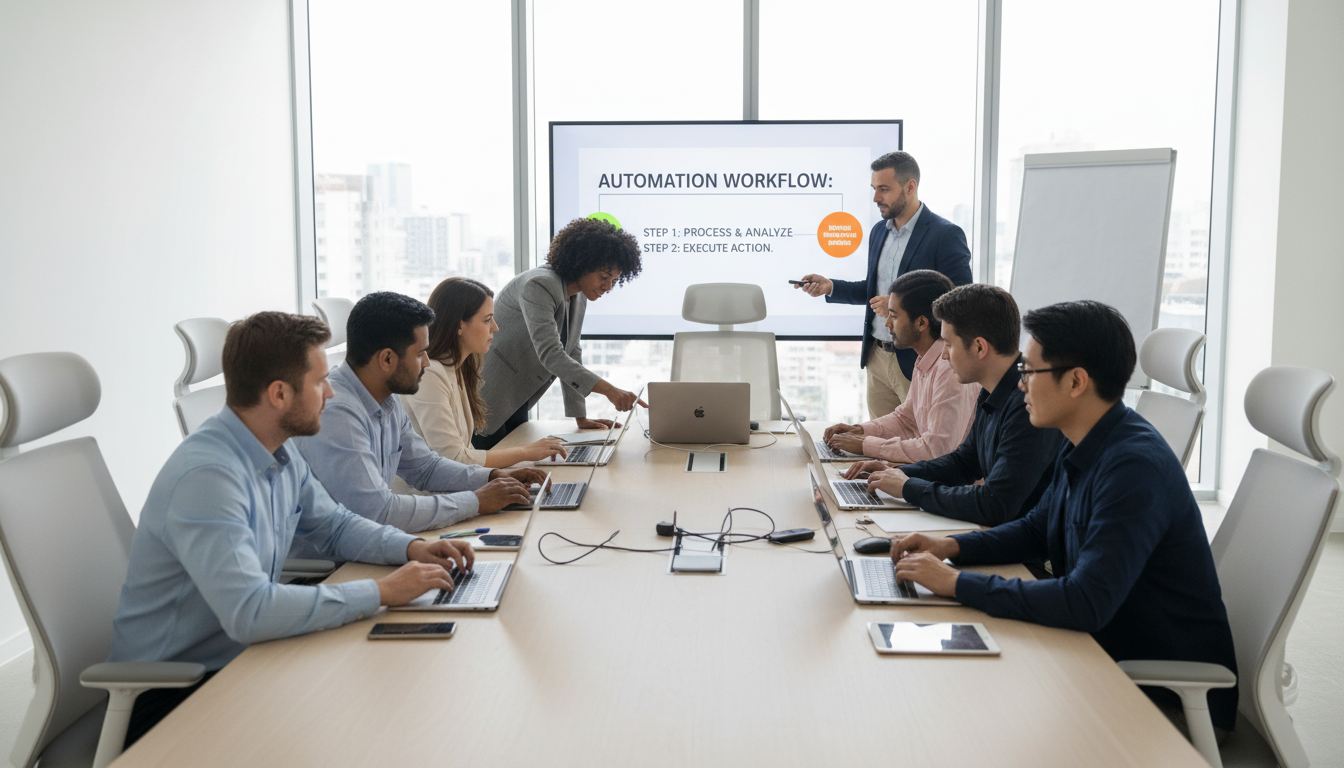
Tailor the content to your audience's interests and expertise. This personalization can enhance attendee satisfaction and encourage active participation throughout the event.
Marketing and Promotion
Effective marketing is essential to attract your target audience. Utilize a mix of traditional and digital channels to reach potential attendees. Social media platforms, email campaigns, and press releases can create buzz and increase visibility.
Leverage your event's unique selling points in promotional materials. Highlight key speakers, exclusive content, or networking opportunities to entice potential participants. Ensure your marketing strategy aligns with your brand identity and event objectives.
Logistics and On-the-Day Coordination
Thorough planning of logistics ensures a smooth event day. Create a detailed timeline covering setup, registration, session transitions, and breakdown. Assign roles to team members and conduct a rehearsal to iron out any kinks.
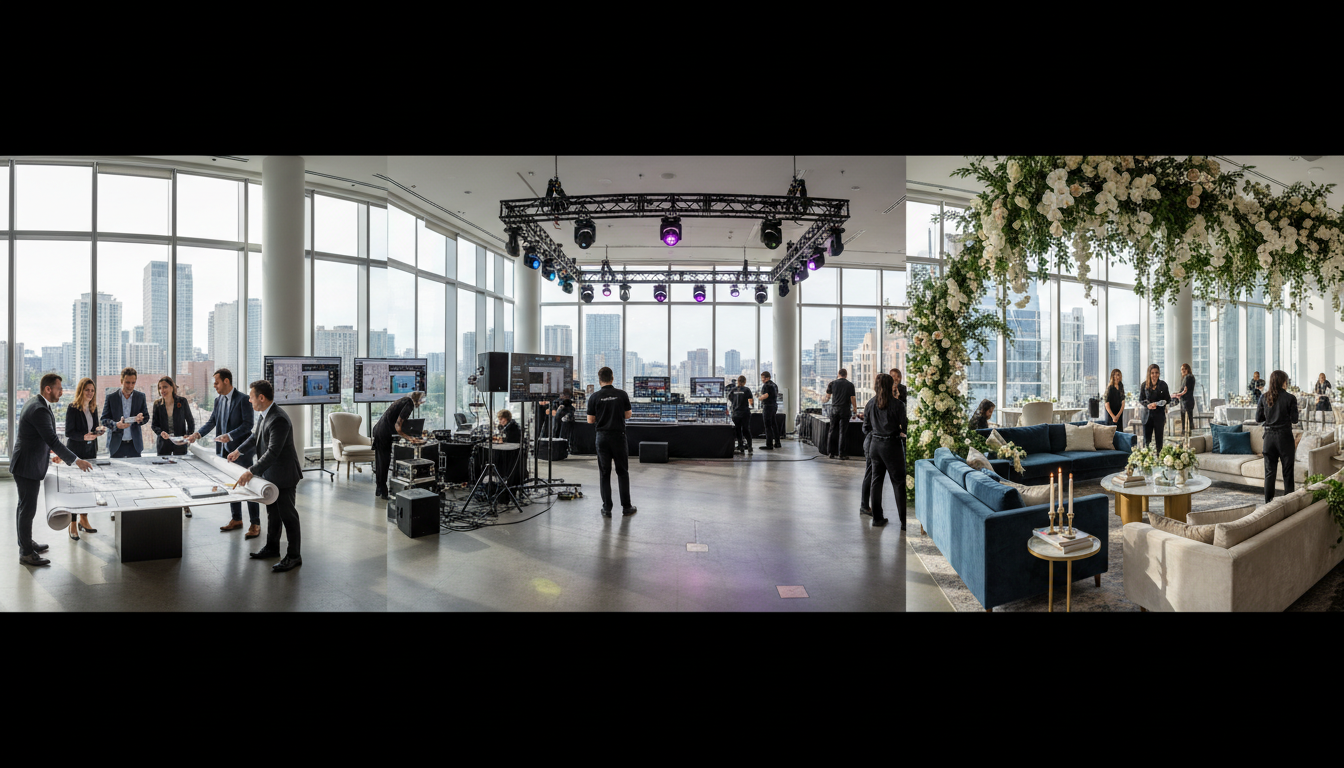
Consider hiring an event coordinator or agency if the event is large-scale. Their expertise can streamline the process, allowing you to focus on engaging with your guests and achieving your event goals.
Post-Event Follow-Up
After the event, follow up with attendees to gather feedback and measure success against your initial objectives. Use surveys to collect insights on their experiences and identify areas for improvement. This feedback is invaluable for planning future events.
Share highlights and achievements through newsletters or social media. Thank attendees, sponsors, and partners for their support, reinforcing relationships and setting the stage for future collaborations.