Expert Tips for Managing Large-Scale Events in Australia
Ri
Understanding the Scope of Large-Scale Events
Organizing large-scale events in Australia requires meticulous planning and a deep understanding of the event's scope. Whether it's a music festival, corporate conference, or sporting event, the first step is to clearly define the event's goals. This understanding will guide all subsequent planning decisions, from venue selection to marketing strategies.
Identifying the event's target audience is crucial. Knowing who you're trying to reach will help tailor the event's content, marketing efforts, and even logistical considerations. It's important to conduct market research to ensure the event meets the needs and expectations of its audience.

Choosing the Right Venue
The venue is one of the most critical elements of event planning. In Australia, options range from coastal resorts to urban convention centers, each offering unique advantages. When selecting a venue, consider factors such as location accessibility, capacity, available facilities, and budget.
It's also important to visit potential venues in person. A site visit allows you to assess the space, visualize the event setup, and address any logistical concerns with venue staff. Ensure that the venue aligns with the event's theme and branding for a cohesive experience.
Effective Budget Management
Managing finances effectively is key to the success of any large-scale event. Start by creating a detailed budget that includes all potential expenses, from venue rental and catering to marketing and staffing. It's advisable to allocate a contingency fund for unexpected costs.
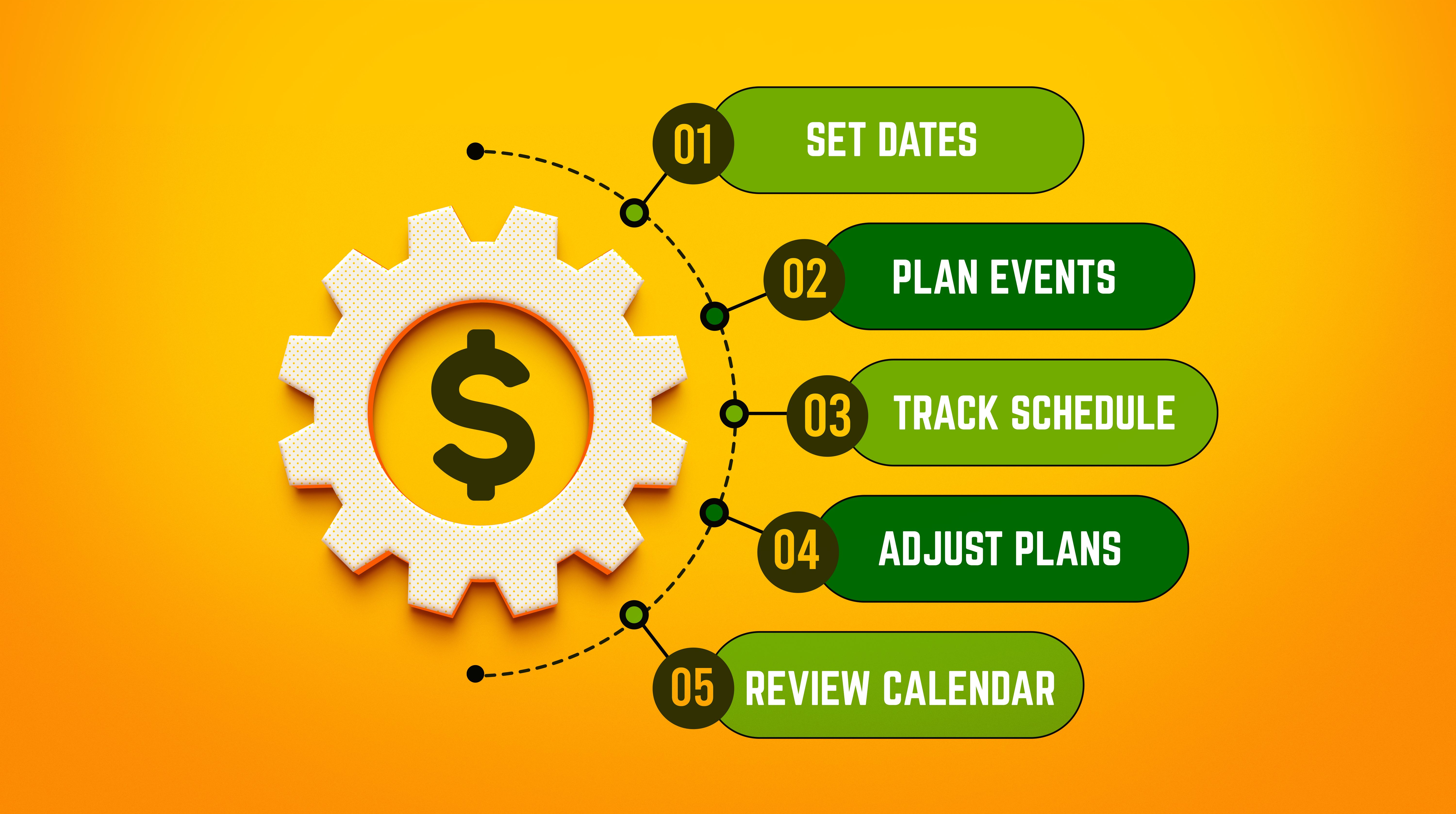
Regularly reviewing and adjusting the budget as planning progresses can prevent overspending. Utilize budgeting software or tools to track expenses and maintain financial transparency among team members.
Logistical Coordination
The logistics of a large-scale event can be complex. Develop a comprehensive timeline that outlines all key milestones leading up to the event. This plan should include deadlines for securing vendors, finalizing contracts, and completing marketing campaigns.
Coordination with suppliers and vendors is essential for smooth operations. Establish clear communication channels and regular check-ins to ensure all parties are aligned with the event's goals and timeline.

Marketing and Promotion Strategies
An effective marketing strategy is vital for attracting attendees and generating buzz around your event. Utilize a mix of digital marketing channels such as social media, email campaigns, and online advertisements to reach your target audience.
Consider collaborating with influencers or industry leaders to expand your event's reach. Offering early bird discounts or group packages can also incentivize potential attendees to register early.
Ensuring Safety and Compliance
Safety should always be a top priority when managing large-scale events. Familiarize yourself with local regulations and obtain necessary permits well in advance. Working with experienced security personnel can ensure that safety protocols are effectively implemented.
Develop an emergency response plan covering potential scenarios such as medical emergencies or severe weather conditions. Communicate this plan clearly to all staff, vendors, and volunteers involved in the event.

Post-Event Evaluation
Once the event concludes, conduct a thorough evaluation to assess its success. Gather feedback from attendees, staff, and stakeholders through surveys or interviews. Analyze this feedback to identify strengths and areas for improvement.
Review financial performance against the initial budget to determine profitability. Use insights gained from this evaluation to improve future events and strengthen your reputation as an expert in managing large-scale events in Australia.