DIY Tips for Small Business Event Planning in Australia
Ri
Understanding the Basics of Event Planning
Planning a successful small business event in Australia requires attention to detail, creativity, and organization. Whether it's a product launch, workshop, or networking event, understanding the essentials can make the process smoother. Start by defining the purpose and objectives of the event. This will guide all subsequent decisions, from venue selection to marketing strategies.
Next, establish a budget. Determine how much you’re willing to spend and allocate funds to various components like venue, catering, and marketing. Sticking to a budget helps prevent overspending and ensures resources are used effectively.
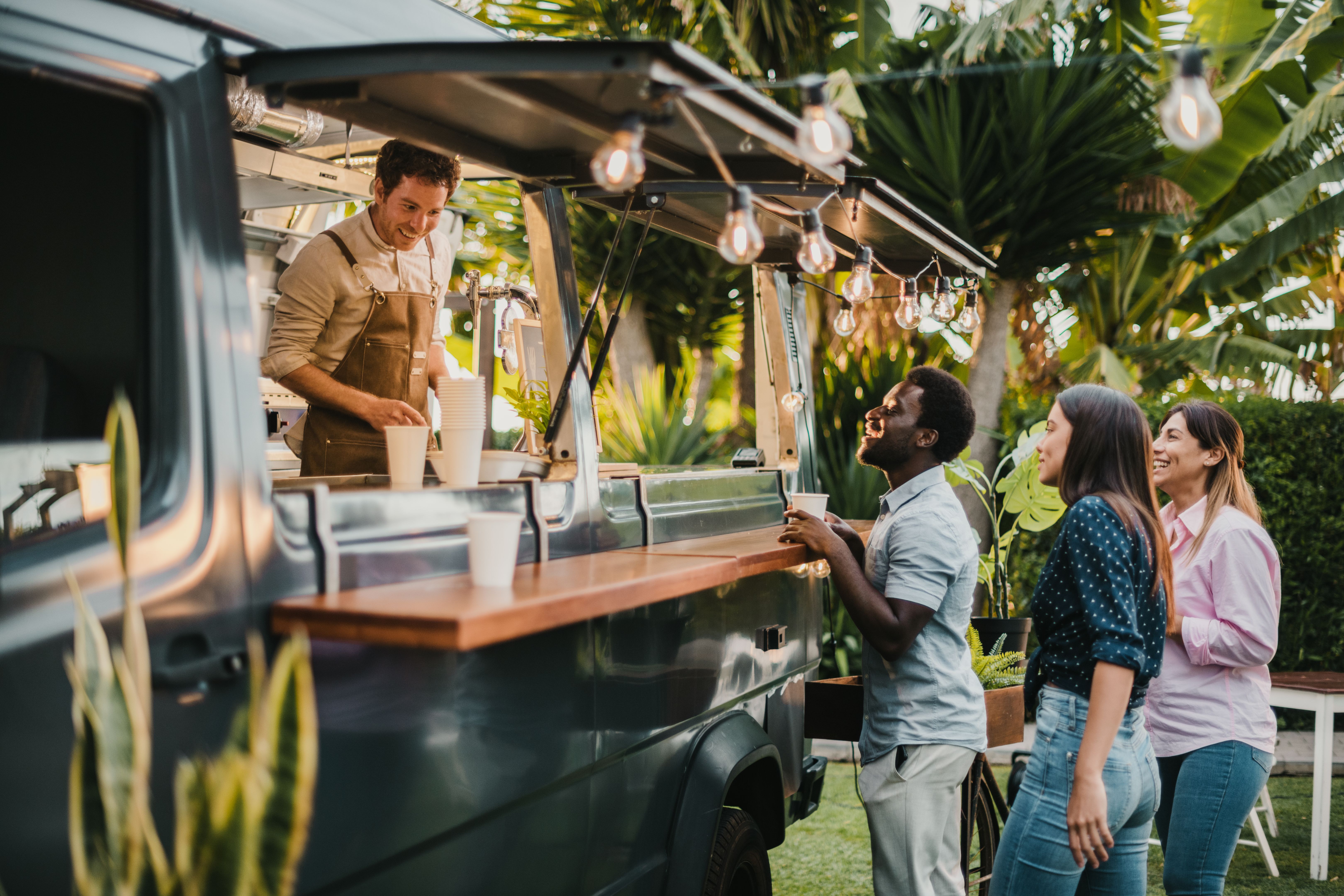
Choosing the Right Venue
The venue you choose can significantly impact the success of your event. Consider factors such as location, capacity, and amenities. Ensure the venue is easily accessible for your attendees and provides the necessary facilities, such as audio-visual equipment and catering services.
It's also important to consider the ambiance and style of the venue. The setting should align with your brand and the event’s purpose, whether it’s a formal business conference or a casual networking mixer.
Effective Marketing Strategies
Effective marketing is crucial for attracting attendees to your event. Utilize social media platforms like Facebook, Instagram, and LinkedIn to reach a broader audience. Create engaging content that highlights the benefits and unique aspects of your event.
Consider using email marketing to reach out to your existing customer base. A well-crafted email campaign can drive registrations and keep your audience informed about event details and updates.

Engaging Your Audience
An engaging event keeps attendees interested and encourages participation. Plan activities and sessions that are interactive and relevant to your audience. This could include workshops, panel discussions, or networking sessions.
Incorporate technology by using event apps or live polls to enhance the attendee experience. This not only engages your guests but also provides valuable feedback and insights.
Managing Logistics Efficiently
Efficient logistics management is key to ensuring your event runs smoothly. Develop a detailed timeline outlining all tasks and deadlines. Assign responsibilities to team members and ensure everyone is aware of their roles on the day of the event.

Consider potential challenges and have contingency plans in place. This proactive approach helps mitigate risks and ensures you're prepared for any unexpected issues that may arise.
Post-Event Follow-Up
After the event, follow up with attendees to gather feedback and maintain engagement. Send thank-you emails and include a survey to collect their thoughts on the event. This information is invaluable for improving future events.
Share event highlights and photos on social media to keep the conversation going. This not only reinforces connections made during the event but also helps promote your brand to a wider audience.